


There is a particular pleasure in wearing a dress you made with your own hands: the fabric you chose, the fit you adjusted, the hem you pressed yourself. Summer is the season that rewards that effort most, because summer dress patterns are among the simplest, fastest and most forgiving projects in garment sewing — and the finished dresses are the pieces you will reach for day after day from June through September.
This guide brings together 25 of our favorite summer dress sewing patterns, from a one-hour beach cover-up to a bias-cut slip dress that will sharpen your precision. But it is not just a list. You will learn how to choose the right pattern for your skill level and body shape, which fabrics actually behave in hot weather, how to sew and finish each style so it looks boutique-made rather than homemade, and how to style and care for your dresses so they last for years. Whether this is your first garment or your fiftieth, everything you need is on this page.
If you are completely new to garment sewing, keep our beginner sewing patterns guide open in another tab — every technique mentioned below is explained there step by step.
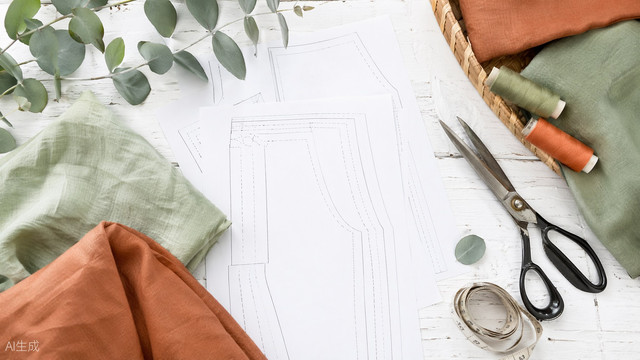
Why Sew Your Own Summer Dresses?
Sewing your own summer dresses gives you a better fit, better fabric and a lower cost per wear than almost anything you can buy off the rack. A well-fitting handmade sundress in quality linen typically costs $25–$45 in materials, while a comparable ready-to-wear dress retails for $90–$180 — and the handmade version is cut to your measurements, not a factory size block.
Beyond the savings, there are practical reasons sewists keep coming back to dress sewing projects every spring:
- Fit you control. You adjust the bust, waist, hip and length to your body instead of hoping a size medium works. Most fitting problems in store-bought dresses — gaping necklines, tight armholes, hems that ride up — disappear when you sew to your own measurements.
- Fabric you choose. You pick breathable natural fibers instead of the polyester blends that dominate high-street summer collections. In a heatwave, that choice is the difference between comfortable and miserable.
- Quality that lasts. French seams, properly finished hems and pre-washed fabric mean a handmade dress can survive a decade of summers. Fast-fashion equivalents rarely survive two.
- A smaller footprint. Sewing your own wardrobe reduces reliance on overproduced fast fashion and lets you use deadstock, remnant and thrifted fabrics — our sustainable sewing patterns guide goes deeper on the eco side of the craft.
- A real skill with real value. Every dress teaches you something — darts, gathers, buttonholes, bias binding — and many sewists eventually turn that skill into income. If that is your direction, our guide to starting a small sewing business from home is the natural next read.
And honestly? Few things feel better than answering "where did you get that dress?" with "I made it" — and DIY summer dresses attract that question more than almost anything else you can sew. Among all the summer sewing patterns you could choose, dresses offer the best ratio of simplicity to wearability: one pattern, a couple of metres of fabric, and a garment you will wear for years.
✅ Key Takeaways
- A handmade summer dress costs roughly $25–$45 in materials versus $90–$180 retail — and fits your actual measurements.
- Natural, breathable fabrics are the biggest comfort upgrade over store-bought polyester summer dresses.
- Every dress builds transferable skills, and those skills can grow into a small handmade business.
How to Choose the Perfect Summer Dress Pattern
The right summer dress pattern sits at the intersection of three things: your current sewing skill, the silhouette that suits your body and lifestyle, and the fabric you want to wear. Get all three right and the project practically sews itself. Get one wrong and you will fight the dress the whole way through.
Match the Pattern to Your Skill Level
Be honest about where you are. A beginner who starts with a simple A-line sundress finishes it in a weekend, wears it immediately and comes back hungry for the next project. A beginner who starts with a fitted shirt dress often abandons it at the collar. As a rule of thumb:
- Complete beginner (0–5 garments): choose patterns with fewer than six pattern pieces, no closures or simple ties, and elastic or gathered waists. Trapeze dresses, cami dresses and caftans are ideal easy summer dress sewing patterns to start with.
- Confident beginner to intermediate (5–15 garments): you are ready for darts, set-in or grown-on sleeves, button plackets, zippers and lining. Wrap dresses, tiered maxis and fit-and-flare styles live here.
- Intermediate to advanced: bias cutting, precise fitting, collars, plackets and delicate fabrics. Slip dresses, sheath dresses and structured shirt dresses will reward your accuracy.
Not sure where you sit on that ladder? Our beginner to intermediate sewing progression guide helps you place yourself honestly.
Choose a Silhouette You Will Actually Wear
Before you fall in love with a pattern photo, check your wardrobe. If you live in loose midi dresses, a fitted sheath — however beautiful — will hang in your closet. Sew more of what you already reach for, in better fabric.
The pattern photo also deserves a skeptical look: check the technical line drawing, not just the styled photograph, because the drawing shows the true seam lines, ease and length.
How to Choose the Correct Size
Pattern sizes are not shop sizes. Always choose your size from your body measurements, never from the size you buy in stores. Measure your bust at the fullest point, your natural waist and your hips at the fullest point — over the underwear you will actually wear with the dress — and compare those numbers with the pattern's body measurement chart. Our guide to measuring yourself for a sewing pattern walks through it with photos.
Two details separate a dress that fits from one that almost fits:
- Finished garment measurements. These tell you the actual size of the sewn dress. Subtract your body measurement to find the ease. For woven summer dresses, look for roughly 2–4 inches (5–10 cm) of ease at the bust for a relaxed fit; a fitted bodice may have as little as 1 inch, and an oversized caftan may have 10 inches or more.
- Grading between sizes. Bodies rarely match one column on the chart. If your bust is a 12 and your hips are a 16, blend the cutting line between sizes across the waist. It takes five minutes and solves most fitting complaints before they happen — our pattern size adjustment guide shows exactly how.
PDF Dress Sewing Patterns vs. Paper Patterns
PDF dress sewing patterns are instant-download files you print at home on A4 or US Letter paper, tile together and cut — or send the included A0 copy-shop file to a printer. Their advantages are hard to beat: no waiting for shipping, no tissue paper to tear, the ability to reprint when you want a different size, and often layered files so you print only your size. Many modern PDF patterns also include a projector file, letting you skip paper entirely.
Printed tissue patterns still have their place — no assembly, and the large-format sheets make layout easy — but for summer dress patterns you will want to sew in several sizes and several fabrics, a printable PDF pays for itself by the second make. We compare both formats honestly in digital vs paper sewing patterns, and our PDF printing walkthrough covers scaling, tiling and the all-important test square.
✅ Key Takeaways
- Choose your size from body measurements and the finished garment chart — never from your shop size.
- Grade between sizes at the waist when your bust and hips land in different columns.
- Match pattern complexity to your honest skill level; an easy finished dress beats an ambitious abandoned one.
The Best Fabrics for Summer Dresses
The best fabrics for summer dresses are lightweight, breathable and moisture-absorbent: linen, cotton lawn, cotton voile, poplin, rayon (viscose) challis, Tencel, double gauze, chambray and seersucker. These fibers let air circulate and pull moisture away from your skin. Polyester and nylon do the opposite — they trap heat and hold sweat — so save them for cooler months. For a deeper dive, see our guide to the best fabrics for summer clothes.
Fabric Weight Guide for Summer Dresses
Fabric weight, measured in grams per square meter (GSM), tells you how a fabric will behave before you ever touch it. For summer dresses, stay in the 80–180 GSM range for wovens:
| Weight | GSM Range | Feel & Drape | Best For |
|---|---|---|---|
| Featherweight | 50–90 GSM | Airy, semi-sheer, floaty | Voile sundresses, beach cover-ups, lined styles |
| Lightweight | 90–130 GSM | Soft with gentle movement | Cami dresses, gathered skirts, shirtdresses |
| Light-medium | 130–170 GSM | Balanced drape and structure | A-line, fit-and-flare, wrap dresses, shirt dresses |
| Medium | 170–220 GSM | Structured, holds a shape | Pinafores, sheath dresses, cool-weather summer days |
| Heavyweight | 220+ GSM | Firm and warm | Generally too warm for summer dresses — save for autumn |
Summer Fabric Comparison
| Fabric | Breathability | Drape | Wrinkles | Sewing Difficulty | Best Dress Styles |
|---|---|---|---|---|---|
| Linen & linen blends | Excellent | Crisp, softens with washing | Wrinkles easily (part of the charm) | Easy — stable and presses beautifully | Wrap dresses, shifts, caftans, shirt dresses |
| Cotton lawn / voile | Excellent | Soft and floaty | Moderate | Easy, but voile needs fine needles | Tiered maxis, peasant dresses, prairie styles |
| Cotton poplin | Very good | Crisp with light structure | Moderate | Very easy — ideal first fabric | A-line sundresses, fit-and-flare, shirt dresses |
| Rayon / viscose challis | Very good | Fluid, heavy drape | Wrinkles, shrinks if not pre-washed | Moderate — slippery to cut | Wrap dresses, slip dresses, bias cuts |
| Tencel (lyocell) | Very good | Silky and fluid | Low to moderate | Moderate | Cami dresses, slip styles, elegant midis |
| Double gauze | Excellent | Soft and slightly crinkled | Low (texture hides creases) | Easy | Beach dresses, caftans, relaxed shifts |
| Chambray | Good | Structured, denim look without weight | Low | Easy | Shirt dresses, pinafores, button-front midis |
| Seersucker | Excellent | Puckered, holds shape | Almost none | Easy | Sundresses, fit-and-flare, kids' matching sets |
| Cotton jersey (knit) | Good | Stretchy, clings softly | None | Moderate — needs stretch stitches | T-shirt dresses, tank dresses, wrap knits |

Match the Fabric to the Dress Style
Structure and drape are opposites, and every dress pattern leans one way. Gathered, tiered and flared styles need soft, fluid fabrics — rayon challis, voile or Tencel — so the gathers fall instead of standing out like a tutu. Tailored styles with darts, collars and plackets need fabrics with body, like poplin, linen or chambray, so the details read crisply.
When a pattern suggests fabrics, treat that list as instructions, not decoration: the designer drafted the pattern around that drape. If linen is your summer staple — and for most sewists it becomes one — our tutorial on how to sew linen fabric covers needles, tension and pre-washing in detail.
Color and Print Recommendations
Light colors reflect heat; dark colors absorb it. White, ivory, pale blue and soft sage are genuinely cooler on a 35°C day than black or navy. Prints earn their place too: busy florals and gingham hide wrinkles and the occasional imperfect seam, which makes them forgiving choices for beginners. Solid linen shows off topstitching and beautiful seam finishes — a point of pride once your technique improves.
If you love white, plan for opacity: choose a denser weave like poplin, or add a simple cotton voile lining.
Fabric Shopping Tips
Buy fabric with the pattern in hand, not before. The pattern tells you the yardage for your size and your fabric width — and width matters. A pattern needing 2.5 meters of 150 cm-wide fabric may need 3.5 meters of 110 cm-wide fabric. Order swatches when shopping online; a two-dollar swatch beats a sixty-dollar mistake. And always, always pre-wash: linen can shrink 3–5% and rayon even more on the first wash. Newer sewists should also read what fabric is best for beginner sewing before that first big order.
🧵 Fabric Shopping Checklist
Pattern chosen first — yardage checked for my size
Fabric width confirmed — 110 cm vs. 150 cm changes yardage significantly
Fiber content checked — natural or breathable blend for summer
Swatch ordered — or drape tested in person
Opacity tested — held up to the light
0.3–0.5 m extra bought — for shrinkage, mistakes and pattern matching
Pre-washed and dried — exactly as the finished dress will be laundered
✅ Key Takeaways
- Stay in the 80–180 GSM range for woven summer dresses; natural fibers beat synthetics for breathability.
- Fluid fabrics for gathered styles, structured fabrics for tailored styles — drape is a design decision.
- Pre-wash everything: linen shrinks 3–5% and rayon more on the first wash.
600+ PDF Patterns — One Instant Download
Dresses, skirts, pants, tops, jumpsuits, corsets and more — sizes XS to 5XL, A4 & A0 formats, lifetime access.
✨ Explore 600+ Patterns — £29.99The 25 Summer Dress Patterns
Here they are — 25 summer dress patterns organized roughly from the easiest to the most advanced, so you can jump straight to your level. Whether you are hunting for dress pattern ideas for your next project or choosing your very first garment, the quick-reference table gives you the overview; the detailed profiles below it give you the fabric, fit, styling and sewing guidance for each one.
| # | Pattern | Difficulty | Best Fabric | Sewing Time |
|---|---|---|---|---|
| 1 | Classic A-Line Sundress | Beginner | Cotton poplin | 4–6 hours |
| 2 | Sleeveless Shift Dress | Beginner | Linen | 3–5 hours |
| 3 | Strappy Cami Dress | Beginner | Tencel or viscose | 3–4 hours |
| 4 | T-Shirt Dress | Beginner | Cotton jersey | 2–3 hours |
| 5 | Trapeze Dress | Beginner | Double gauze | 3–4 hours |
| 6 | Pinafore Dress | Beginner | Chambray or linen | 4–6 hours |
| 7 | Caftan Dress | Beginner | Voile or double gauze | 2–4 hours |
| 8 | Beach Cover-Up Dress | Beginner | Voile or gauze | 1–2 hours |
| 9 | Off-the-Shoulder Dress | Confident beginner | Cotton lawn | 4–6 hours |
| 10 | Empire-Waist Midi Dress | Confident beginner | Voile or lawn | 5–7 hours |
| 11 | Gathered-Waist Midi Dress | Confident beginner | Rayon challis | 5–7 hours |
| 12 | Smocked Bodice Sundress | Intermediate | Cotton lawn | 6–8 hours |
| 13 | Linen Wrap Dress | Intermediate | Linen | 6–8 hours |
| 14 | Tiered Maxi Dress | Intermediate | Voile or lawn | 8–10 hours |
| 15 | Fit-and-Flare Dress | Intermediate | Cotton poplin | 6–8 hours |
| 16 | Button-Front Midi Dress | Intermediate | Linen or chambray | 7–9 hours |
| 17 | Halter Neck Dress | Intermediate | Rayon challis | 5–7 hours |
| 18 | Boho Peasant Maxi Dress | Intermediate | Crinkle gauze | 7–9 hours |
| 19 | Cottagecore Prairie Dress | Intermediate | Cotton lawn | 8–10 hours |
| 20 | Square-Neck Puff-Sleeve Dress | Intermediate | Linen or poplin | 6–8 hours |
| 21 | High-Low Wrap Maxi Dress | Intermediate | Rayon challis | 7–9 hours |
| 22 | Shirt Dress | Intermediate–advanced | Chambray or poplin | 10–14 hours |
| 23 | Bias-Cut Slip Dress | Advanced | Silk or sandwashed satin | 8–10 hours |
| 24 | Sheath Dress | Advanced | Linen blend | 10–12 hours |
| 25 | One-Shoulder Dress | Advanced | Tencel twill | 8–10 hours |
1. The Classic A-Line Sundress

Pattern Profile
If you sew only one summer dress pattern, make it this one. Fitted at the shoulders and bust, flaring gently from the waist, the A-line sundress is endlessly repeatable, flattering on nearly everyone, and kind to beginners — straight seams, darts, narrow straps and a simple hem.
Best occasions & styling: Everyday wear, garden parties, farmers' markets, casual Fridays. White sneakers and a denim jacket for day; wedge sandals and a woven belt for evening.
Sewing tips: Staystitch the neckline the moment you cut it out — curved edges stretch if you look at them twice. Understitch the facing so it never rolls outward, and press darts toward the center front for an instantly professional bodice.
Watch out for: Choosing the size by store size instead of measurements, and skipping the dart press.
Expert advice: Sew it once in inexpensive poplin to check the fit, then cut your good fabric — most sewists end up making three or four. Our Greece linen summer dress pattern is a perfect first A-line to try.
2. The Sleeveless Shift Dress

Pattern Profile
The shift hangs straight from the shoulders with gentle bust darts and no waist seam — often just four main pieces plus facings. It is also the most travel-friendly silhouette here: with no waist seam to crush, it resists creasing in a suitcase.
Best occasions & styling: Work with a blazer, weekends with sandals, travel. Layer over a striped long-sleeve tee in spring; wear bare with espadrilles in July. Hourglass figures can add a self-fabric belt for definition.
Sewing tips: Finish the armholes with bias binding instead of facings for a cleaner, flatter result that never peeks out.
Watch out for: Over-fitting. A shift needs ease — if it pulls across the hips, let the side seams out or add a back vent.
Expert advice: Check the length wearing the shoes you plan to pair it with — shifts look intentional above the knee or mid-calf, and awkward in between. Our linen dress sewing pattern guide covers more styles in this family.
3. The Strappy Cami Dress

Pattern Profile
A bias or straight-grain bodice on narrow straps, usually with a gentle V-neck. Few pieces keep it beginner-friendly; slippery fabrics raise the stakes slightly, which makes this the pattern that teaches delicate-fabric handling.
Best occasions & styling: Heatwaves, holidays, layered under cardigans or oversized shirts. Wear alone in high summer; in September, layer over a fitted white tee for a 90s look.
Sewing tips: Interface the neckline facing, use a fresh 70/10 microtex needle, and pin within the seam allowance so pin marks never show on delicate fabric.
Watch out for: Straps that stretch and droop. Stabilize strap seams with a line of stitching over narrow twill tape, and make straps adjustable with sliders.
Expert advice: French seams throughout make the inside as beautiful as the outside — important in pale, semi-sheer fabrics where seam allowances show through. This silhouette stars in our hot weather dress patterns guide.
4. The T-Shirt Dress

Pattern Profile
Essentially an elongated T-shirt: no zips, no darts, no pressing marathons — just soft cotton jersey and an afternoon of sewing. Two to four pieces, start to finish in an evening.
Best occasions & styling: Travel days, school runs, beach-to-café dressing. Knot a chambray shirt at the waist; add white trainers and a crossbody bag.
Sewing tips: You do not need a serger. A narrow zigzag (width 0.5, length 2.5) or your machine's stretch stitch handles every seam. Stabilize the shoulder seams with clear elastic so they do not grow.
Watch out for: Stretching the neckline while attaching the band. Quarter both the band and the neckline, pin at the quarters and distribute the stretch evenly.
Expert advice: Pre-wash jersey twice before cutting — knits shrink more than wovens, and the second wash catches what the first missed. Our knit T-shirt pattern guide covers knit construction end to end.
5. The Trapeze Dress

Pattern Profile
Fitted at the shoulders, swinging out to a wide hem with no waist definition at all — often just a front, a back, and optional sleeves. The trapeze is the one sewists reach for when the forecast says 38°C.
Best occasions & styling: Heatwaves, holidays, maternity-friendly wear, market mornings. Keep accessories substantial — chunky sandals and bold earrings balance the volume.
Sewing tips: The wide hem is the only tricky part: sew a narrow double-fold hem and take it slowly around the curve, easing rather than stretching.
Watch out for: Cutting it too long. Volume plus length equals tent. Keep the hem at or above the knee unless the pattern is drafted for a maxi.
Expert advice: Add in-seam pockets — a dress this relaxed should still hold your phone and keys. More forgiving silhouettes like this live in our comfortable everyday dress patterns roundup.
6. The Pinafore Dress

Pattern Profile
A bib front, crossed or straight straps and a simple skirt — straight seams, patch pockets and buttons or buckles. Alone over a tank in July, over a turtleneck in October.
Best occasions & styling: Weekend wear, studio or garden work, casual offices. Striped tee underneath with canvas sneakers, or a floaty blouse for a softer look.
Sewing tips: Topstitch the bib and pocket edges twice — a double row of topstitching is what makes a pinafore look store-bought.
Watch out for: Straps positioned too far apart, so they slip off the shoulders. Baste and test before final stitching; straps should sit roughly above your bust points.
Expert advice: Make strap length adjustable with overall buckles — the dress then fits over a tank top in August and a sweater in November. Our pinafore dress pattern guide explores its versatility further.
7. The Caftan Dress

Pattern Profile
A loose T-shape with wide sleeves — essentially rectangles with a neckline. Nearly impossible to sew wrong and impossible to wear uncomfortably, and the most size-inclusive silhouette in sewing.
Best occasions & styling: Beach holidays, poolside, lounging, entertaining at home. Belt it for shape, or wear it loose with flat leather sandals and gold jewelry.
Sewing tips: This is the perfect project for border prints and large-scale patterns — the big, uncut panels show them off.
Watch out for: Skipping the neckline finish. A hand-rolled or bias-bound neck edge elevates the whole garment; a raw-turned edge ruins it.
Expert advice: Add a waist-cinching self belt in the same fabric, so one dress gives you two silhouettes. Caftans headline our resort wear sewing patterns edit.
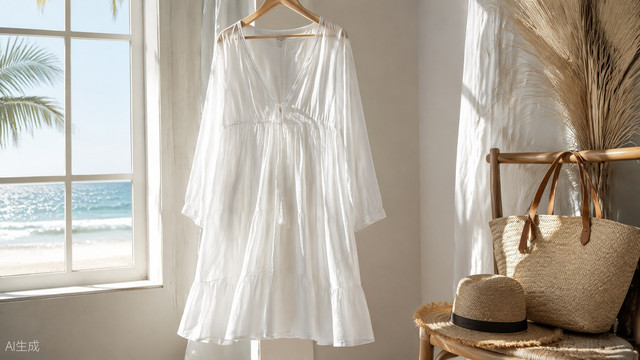
8. The Beach Cover-Up Dress
Pattern Profile
The quickest project in this guide. Loose, sheer and pull-on, with a drawstring or elastic waist if you want shape — it teaches the fundamentals gently and gifts beautifully.
Best occasions & styling: Beach, pool, spa days, quick trips to the café from the water. Over a swimsuit with slides and a straw tote; a slip underneath turns it into a real dress.
Sewing tips: Use French seams — in sheer fabric the inside is fully visible, and French seams are the only finish that looks deliberate.
Watch out for: Using a standard needle on fine voile and getting snags. Switch to a 60/8 or 70/10 microtex needle and fine pins.
Expert advice: A brilliant scrap-buster and a thoughtful handmade gift; one metre of voile often makes a child's version to match. More ideas in our summer vacation sewing patterns list.
9. The Off-the-Shoulder Dress

Pattern Profile
An elasticized neckline that sits across the upper arms, usually with a ruffle or flounce. The elastic casing is the only real technique, which keeps this firmly in confident-beginner territory.
Best occasions & styling: Holidays, summer weddings as a guest, date nights, festivals. Keep the neckline bare — delicate earrings instead of a necklace — and add heeled sandals.
Sewing tips: Measure the elastic snugly around your shoulders where the dress will sit, not by the pattern's generic length. Elastic that is 2 cm too long means a dress that slides down all evening.
Watch out for: Stretching the fabric instead of the elastic while sewing the casing. Stretch only the elastic and let the fabric gather into it.
Expert advice: Stitch a small ribbon loop inside at each side seam to anchor the dress to a strapless bra — practical, and it makes the neckline behave. Our off-shoulder dress pattern is a ready-made starting point.
10. The Empire-Waist Midi Dress

Pattern Profile
A fitted bodice with a long, soft skirt starting just under the bust. The high waist visually lengthens the legs, which is why this silhouette flatters apple shapes and shorter torsos so reliably — and why it is a classic maternity-friendly shape.
Best occasions & styling: Garden parties, showers, summer dinners, holiday evenings. A short cardigan or cropped denim jacket keeps the high waistline visible; avoid long tops that hide it.
Sewing tips: The seam where bodice meets skirt takes stress all day — reinforce it with a second row of stitching. Line the bodice in the same fabric for opacity.
Watch out for: A skirt cut too full, so the dress reads as a nightgown. Keep gathers gentle: a skirt 1.5 times the bodice width is plenty.
Expert advice: Add 2–3 cm of bodice length if you are tall or full-busted; the empire seam must sit under the bust, not across it. Expecting sewists will love our maternity dress patterns guide.
11. The Gathered-Waist Midi Dress

Pattern Profile
A simple bodice, a gathered skirt that starts at the natural waist, and usually pockets. The waist seam defines, the gathers skim — which is why hourglass and rectangle shapes both wear it so well.
Best occasions & styling: The everyday summer uniform — work, weekends, travel. Belt it and add block heels for dinner; wear with sandals and a sunhat for day.
Sewing tips: Run two rows of gathering stitches, one on each side of the seam line, and pull both — you get even, professional gathers with no pleating at the seam.
Watch out for: Gathering the whole skirt to fit, then sewing over lumpy spots. Divide skirt and bodice into quarters, match the quarter points, and gather section by section.
Expert advice: Sew the pockets into the skirt side seams before gathering the skirt — far easier than adding them later. If gathering is new to you, our how to gather fabric tutorial has step-by-step photos.
12. The Smocked Bodice Sundress

Pattern Profile
Rows of elastic-thread stitching create a bodice that fits like it was made for you — because it stretches to be. Pair it with a floaty skirt and you have the most forgiving fitted style in the guide.
Best occasions & styling: Holidays, picnics, festivals, matching mommy-and-me sets. Keep it playful — canvas espadrilles, a basket bag, simple gold hoops.
Sewing tips: Hand-wind elastic thread onto the bobbin with slight tension, use regular thread on top, lengthen the stitch to 3–3.5 mm, and steam the finished shirring — it shrinks dramatically and evenly under the iron.
Watch out for: Machine-wound elastic thread (too tight) and heavy fabric (won't gather). Test on a scrap first: a 10 cm square should shirr down to about 4–5 cm.
Expert advice: The stretch bodice makes this the easiest "fitted" dress to gift, since sizing is so forgiving. For matching sets, see our mommy and me sewing patterns roundup.
13. The Linen Wrap Dress

Pattern Profile
Forty-plus years after Diane von Furstenberg made it famous, the wrap dress remains undefeated: the V-neckline, the waist-defining tie, the skirt that skims. If you have been searching for a linen dress sewing pattern that justifies buying beautiful fabric, this is the one.
Best occasions & styling: Nearly all of them — work, weddings, weekends, travel. Heeled sandals and a clutch for evening; flat sandals and a denim jacket for day.
Sewing tips: Staystitch every curved and bias edge immediately after cutting. Bind the neckline with self-bias or a narrow facing, and secure the inside tie with a thread chain or buttonhole slot.
Watch out for: A gaping neckline — pinch a small dart out of the neckline pattern piece or shorten the neck edge by 1 cm and ease it in. And cut ties long enough for a full wrap plus a bow.
Expert advice: Avoid stiff cottons; the wrap needs to mold to the body. Most sewists who make one wrap dress make five — our summer wrap dress patterns guide has the variations.
14. The Tiered Maxi Dress

Pattern Profile
Three or four gathered tiers flowing to the ankle, and the most-requested maxi dress sewing pattern in our collection. Sewing it yourself means you choose the exact tier proportions instead of accepting whatever the high street decided.
Best occasions & styling: Holidays, beach dinners, summer events. Flat sandals and oversized sunglasses by day; statement earrings and a clutch at night.
Sewing tips: Cut every tier on the straight grain and label the pieces — six near-identical rectangles cause genuine confusion. Finish tier seams together with a zigzag or serger before gathering.
Watch out for: Tiers gathered too fully, creating a wedding-cake effect. A ratio of 1.4–1.6 times the tier above is the sweet spot. And let the dress hang overnight before hemming — bias-heavy skirts drop.
Expert advice: Budget a full day and 3.5–4.5 metres of fabric; every step is simple, there are just many of them. More lengths and volumes in our maxi dress patterns guide.
15. The Fit-and-Flare Dress

Pattern Profile
A fitted, darted bodice joined to a flared or half-circle skirt. It creates or emphasizes an hourglass line on almost any figure, and it teaches the most transferable fitting skills of any pattern here.
Best occasions & styling: Weddings as a guest, parties, dinners, any event with a dress code. Heels and a slim belt; a cropped cardigan keeps the silhouette intact.
Sewing tips: Fit the bodice with a toile first — this is the pattern where a full bust adjustment most often matters. Insert an invisible zip for the cleanest finish.
Watch out for: Hemming a flared skirt straight after sewing. Hang it overnight, then level the hem — flared skirts drop unevenly on the bias sections.
Expert advice: A narrow horsehair braid in the hem gives the skirt that sculpted, swishing boutique shape. Our fit and flare cocktail dress pattern is drafted for exactly this silhouette.
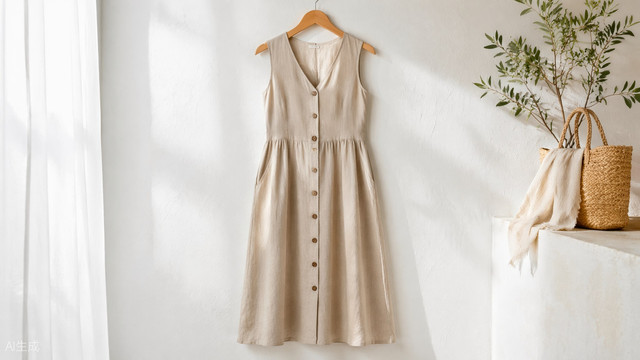
16. The Button-Front Midi Dress
Pattern Profile
A V or scoop neckline, a row of buttons down the front and a midi skirt. The vertical button line elongates every figure, and the construction is honest intermediate work: buttonholes are the main skill to master.
Best occasions & styling: Work, lunches, travel, weekends — genuinely hard to overdress or underdress. Tan leather accessories and espadrilles; roll the sleeves and add a woven belt.
Sewing tips: Interface both placket layers, and sew a test buttonhole on scrap with the same fabric, interfacing and button before touching the dress.
Watch out for: Gaping between buttons at the bust or hip. Place a button at your fullest bust point first, then space the rest — and add a hidden snap where it still pulls.
Expert advice: Wooden or coconut buttons transform the whole garment for about three dollars — hardware matters. Love the shirtmaker details? Our shirt sewing patterns guide drills into them.
17. The Halter Neck Dress

Pattern Profile
Straps that tie or button behind the neck, leaving shoulders and back bare. The neckline looks best with drape, and the shaping around the armhole and neck is what moves you from beginner to intermediate.
Best occasions & styling: Holidays, rooftop dinners, summer parties. Hair up, statement earrings, heeled sandals — the neckline is the jewelry.
Sewing tips: The armhole edge is on the bias and will stretch; staystitch immediately and handle it as little as possible before facing.
Watch out for: Cutting the back neck too low for your bra solution — check the pattern's back depth before cutting, not after.
Expert advice: Make the neck ties long enough to adjust; weight shared between ties and a back closure keeps the bodice sitting correctly all day. The free halter top pattern on our blog is a great practice project for the neckline.
18. The Boho Peasant Maxi Dress

Pattern Profile
Elastic or drawstring neckline, raglan or bishop sleeves, and a loose flowing body. The adjustable neckline and easy body make sizing very forgiving, which is part of the silhouette's enduring appeal.
Best occasions & styling: Festivals, holidays, outdoor concerts, relaxed weddings. Flat boots or sandals, layered necklaces, a slouchy bag.
Sewing tips: Choose a drawstring neckline rather than fixed elastic — it lets you wear the dress on or off the shoulder, two dresses in one.
Watch out for: Over-gathering the sleeve head so it bunches. Distribute gathers evenly and set the sleeve in the round for the smoothest result.
Expert advice: If you love this aesthetic, our boho summer dress patterns edit gathers every flowing, romantic style in one place.
19. The Cottagecore Prairie Dress

Pattern Profile
High neckline, soft ruffles, a full skirt and often a tie waist. The most detail-rich project in the intermediate tier — the techniques are simple, but there are many of them, so patience matters more than skill.
Best occasions & styling: Garden parties, picnics, summer weddings, photo-worthy days. Keep accessories simple and modern — the dress brings the romance; sandals and a straw hat finish it.
Sewing tips: Hem ruffles with a narrow rolled hem before attaching them — a rolled-hem foot on your machine makes this nearly automatic.
Watch out for: Ruffle proportions too heavy for the fabric. In lawn, a ruffle twice the edge length gathers prettily; three times collapses into bulk.
Expert advice: Pre-washed, well-pressed fabric pays off most here — every tuck and ruffle edge shows. Our cottagecore summer dress patterns guide is the natural rabbit hole.
20. The Square-Neck Puff-Sleeve Dress

Pattern Profile
A fitted bodice with a square neckline, short puff sleeves and a skirt from mini to maxi. The bodice needs structure and the sleeves need fabric with enough body to hold a puff.
Best occasions & styling: Parties, dinners, events — it photographs beautifully. Bare neck or a short pendant; block heels or ballet flats.
Sewing tips: Clip the corners of the square neckline exactly to the staystitching before turning the facing — that is what makes the corners sit flat and sharp.
Watch out for: Puff sleeves that collapse. Add a strip of soft tulle or organza inside the sleeve head, or choose a fabric with enough body to support itself.
Expert advice: Between sizes at the bust? Size up and take in the back — square necklines gape if the bodice strains. Our puff sleeve dress pattern is a polished take on the trend.
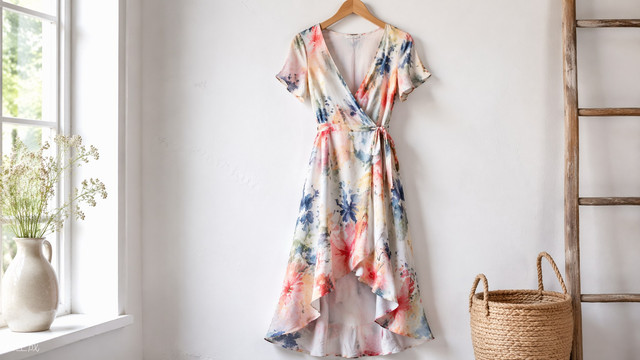
21. The High-Low Wrap Maxi Dress
Pattern Profile
A wrap bodice flowing into a skirt that dips from knee length at the front to ankle length at the back. The hemline visually lengthens legs — a gift for petite sewists — and the wrap top flatters most figures.
Best occasions & styling: Summer weddings, holidays, evening events. Heels that show at the front hem, delicate jewelry, a small clutch.
Sewing tips: A narrow rolled hem on the skirt curve is the professional choice; a standard double-fold hem will fight the curve and ripple.
Watch out for: Hemming before the dress has hung. Bias-cut sections drop — hang 24–48 hours, then level and hem.
Expert advice: Tack the wrap bodice closed at the bust point with a hidden snap; you keep the wrap look with zero gaping anxiety. Construction help lives in our wrap dress sewing pattern guide.
22. The Shirt Dress

Pattern Profile
Collar, button placket, sleeves and a skirt — the shirt dress borrows every technique from classic shirtmaking and rewards you with the definitive smart-casual summer dress in chambray or linen.
Best occasions & styling: Offices, lunches, travel, any smart-casual dress code. Roll the sleeves, add loafers or espadrilles, swap the self belt for leather.
Sewing tips: Take the collar slowly: grade the seam allowances, understitch, and press over a tailor's ham or rolled towel for a professional roll.
Watch out for: Rushing the placket so it ripples, and skipping the test buttonhole. Both are solved by interfacing, practice buttonholes and patience.
Expert advice: Sew it first in an inexpensive cotton — a shirt dress toile teaches you the whole construction at zero risk. Browse the dress pattern collection for shirt dress options in every sleeve and length.
23. The Bias-Cut Slip Dress

Pattern Profile
The most elegant — and most technically interesting — pattern here. The bias cut skims rather than hugs, which suits most figures and looks especially beautiful on straighter silhouettes.
Best occasions & styling: Evening events, weddings, layered under blazers for dinner. Alone with heels, or over a fine knit in cooler months.
Sewing tips: Cut in a single layer, let the cut pieces rest flat overnight so the bias settles, and staystitch the neckline within hours of cutting. Use weights instead of pins on silk.
Watch out for: Stretching the seams while sewing — ripples no iron will remove. Let the feed dogs do the work, use tissue under slippery fabric, never pull, and hem only after a 48-hour hang.
Expert advice: Crisp cottons will not bias-flow — the fabric must drape. Practice the geometry with our free slip dress pattern before cutting silk.
24. The Sheath Dress

Pattern Profile
Fitted from shoulder to knee with darts and usually a back vent, with lining and an invisible zip. Best on balanced figures — hourglass and rectangle shapes wear it effortlessly — but a toile is essential for everyone.
Best occasions & styling: Offices, interviews, formal daytime events. A blazer and pumps; or bare arms and block heels in summer.
Sewing tips: Fit the toile sitting down as well as standing — a sheath that fits only when you stand is a sheath you will never wear. Add the back vent for movement.
Watch out for: Skipping the lining to save time. A lining is what makes a fitted dress slide over the body, hang straight and last — use bemberg or cotton voile, never polyester in summer.
Expert advice: Expect a swayback or full-bust adjustment on this silhouette; our full bust adjustment tutorial shows the fix step by step.
25. The One-Shoulder Dress

Pattern Profile
Asymmetric, modern and surprisingly wearable. The diagonal neckline needs a fabric that holds its edge, and the asymmetric pattern work is what earns this its advanced rating.
Best occasions & styling: Weddings, parties, evenings — anywhere you want to be remembered. One statement earring on the bare-shoulder side, hair swept up, heels.
Sewing tips: Stabilize the diagonal edge with twill tape inside the facing — it carries the dress's entire weight and must not stretch.
Watch out for: A bodice that slides toward the strapless side. The fix is structure: boning in the side seam or a wide elastic waist stay keeps everything anchored.
Expert advice: Fit it on the body, not the dress form, and move — raise your arms, sit, reach. Asymmetric garments reveal fit problems symmetric ones hide. For event-worthy alternatives, see our special occasion dress patterns guide.
✅ Key Takeaways
- Beginners: start with the cover-up, trapeze, T-shirt dress or shift — every one finishes in under five hours.
- Intermediate sewists: the linen wrap and gathered midi are the highest wear-per-effort dresses in the collection.
- Advanced sewists: master bias on the slip dress before committing silk — and toile the sheath, always.
600+ PDF Patterns — One Instant Download
Dresses, skirts, pants, tops, jumpsuits, corsets and more — sizes XS to 5XL, A4 & A0 formats, lifetime access.
✨ Explore 600+ Patterns — £29.99Choosing a Pattern for Your Body Shape and Skill Level
Every pattern in this guide can be worn by every body — these are starting points, not rules. That said, some silhouettes reliably make certain figures feel their best:
| Body Shape | Most Flattering Patterns | Why They Work |
|---|---|---|
| Pear (hips wider than shoulders) | A-line sundress, fit-and-flare, halter neck, off-the-shoulder | Skims the hips and draws the eye upward to shoulders and neckline |
| Apple (fuller midsection) | Trapeze, caftan, empire-waist midi, shift | No waist seam to emphasize the middle; clean vertical lines |
| Hourglass (balanced bust and hips) | Wrap dress, gathered-waist midi, sheath, button-front midi | Defines the natural waist you already have |
| Rectangle (even proportions) | Fit-and-flare, peasant maxi, belted shift, puff-sleeve dress | Creates the suggestion of curves through shape and detail |
| Petite (under 5'4" / 163 cm) | Cami dress, high-low wrap, knee-length A-line | Length and volume stay proportional; hemlines elongate the leg |
| Tall (over 5'9" / 175 cm) | Tiered maxi, caftan, wrap maxi, shirt dress | Carries length and volume that overwhelms smaller frames |
| Full bust | Smocked bodice, wrap dress, square-neck (sized up) | Stretch or adjustable fit where darts alone struggle |
For deeper fitting guidance, our plus size beginner sewing patterns guide goes shape by shape with real grading examples.
And here is the same collection organized as a skill ladder — a sensible order to sew your way through the guide:
| Skill Level | Start With | Techniques You'll Learn | You're Ready to Move On When… |
|---|---|---|---|
| Complete beginner | Beach cover-up, trapeze, T-shirt dress, shift | Straight seams, hems, facings, casings | Your seams are straight and your hems are even |
| Confident beginner | A-line sundress, off-the-shoulder, empire midi, gathered midi | Darts, gathering, elastic casings, pockets | You can gather evenly and press darts crisply |
| Intermediate | Wrap dress, button-front midi, tiered maxi, puff-sleeve dress | Zips, buttonholes, set-in sleeves, bindings | Your buttonholes are consistent and your zips close cleanly |
| Advanced | Bias slip, sheath, one-shoulder, shirt dress | Bias cutting, lining, collars, precision fitting | You are fitting toiles, not just sewing patterns |
Sewing Tips for Every Skill Level
Beginner Sewing Tips
Summer dresses are among the most rewarding easy sewing projects in garment making — and the difference between a homemade-looking dress and a handmade-looking one is rarely talent. It is a handful of habits. Learn these five and your very first dress will look considered:
Pre-wash everything
Linen, cotton and rayon all shrink. Wash and dry the fabric exactly as you will launder the finished dress, before you cut a single piece.
Press as you sew
Press every seam after sewing it, before crossing it with another seam. Pressing is half of garment construction; a $15 iron matters more than a $1,500 machine.
Sew slowly and evenly
Consistent seam allowances matter more than speed. Use the markings on your needle plate or a magnetic seam guide.
Check fit before finishing
Try the dress on after the main seams are sewn but before hems and closures. Adjusting now is easy; adjusting later is surgery.
Finish your seams
Even a simple zigzag along raw edges stops fraying and doubles the life of the dress.
🌱 Beginner Checklist — Before You Cut
Fabric pre-washed, dried and pressed
Measurements taken and size chosen from the chart
Pattern printed at 100% scale and test square measured
Fresh needle in the machine — 80/12 universal for most cottons
Matching thread, plus a spare bobbin wound
Instructions read start to finish before sewing
Intermediate Sewing Advice
At this stage, fit becomes the frontier. Learn the three adjustments that solve most problems: the full bust adjustment (adds room over the bust without changing the shoulders), grading between sizes (different sizes at bust, waist and hip), and lengthening or shortening at the pattern's adjustment lines rather than at the hem.
Sew a toile for anything fitted — an hour of cheap cotton saves a weekend of good linen. And upgrade your tools where it counts: a seam roll, a point turner and a quality invisible-zip foot change results more than any machine feature. When you are ready to level up deliberately, our guide to improving your sewing skills maps the fastest route, and patterns with video tutorials help whenever a technique stalls you.
Professional Sewing Techniques
These are the details that make a dress read as boutique rather than homemade:
- French seams on sheer and lightweight fabrics — the inside looks as clean as the outside. Our perfect seams guide covers them stitch by stitch.
- Understitching every facing so edges roll inward and stay there.
- Horsehair braid in flared hems for sculpted movement.
- Bias binding instead of facings on armholes — flatter, faster, prettier.
- Pattern matching stripes and prints at side seams — the single most visible sign of quality.
- A waist stay in strapless and asymmetric styles, so the dress hangs from your waist, not your shoulders.
Common Mistakes (and How to Avoid Fitting Problems)
After teaching thousands of sewists, we see the same five mistakes behind nearly every abandoned summer dress:
Choosing size by shop size. Pattern sizing is unrelated to ready-to-wear sizing. Always measure, always check the chart — this one habit prevents most fitting disasters.
Skipping the pre-wash. A linen dress that fits perfectly on Saturday and shrinks 4% in Sunday's wash is a heartbreak you can prevent entirely.
Ignoring fabric recommendations. A pattern drafted for drapey rayon sewn in stiff poplin (or vice versa) will not look like the photo, no matter how well you sew.
Sewing the hem before the dress has hung. Bias sections drop. Hang flared and bias skirts 24–48 hours, then level and hem.
Not checking ease. If the finished garment measurement at the bust is smaller than your bust, the dress cannot fit — yet sewists discover this after sewing, again and again. Check before cutting.
For a wider tour of what trips beginners up, read our common sewing mistakes beginners make, and keep the seam allowance guide nearby — inconsistent allowances are behind half of all "mystery" fit problems.
How to Finish Garments Professionally
Finishing is where good dresses become great ones. Work through this order: fit first, then internal finishes, then closures, then hems, then a final press.
✂️ Finishing Checklist
Fit checked on the body — standing, sitting, moving — before finishing
Seam allowances finished — French seams, zigzag or serged edges
Facings understitched; linings bagged out cleanly
Closures tested — zips run smoothly, buttonholes fit the buttons
Dress hung 24–48 hours, hem leveled and sewn
Threads trimmed, every seam given a final press
Care label or note added if the dress is a gift or for sale
600+ PDF Patterns — One Instant Download
Dresses, skirts, pants, tops, jumpsuits, corsets and more — sizes XS to 5XL, A4 & A0 formats, lifetime access.
✨ Explore 600+ Patterns — £29.99Caring for Handmade Summer Dresses
Wash handmade summer dresses cool (30°C), inside out, on a gentle cycle, and line-dry them in shade — heat and tumbling are what age fabric, not washing.
Linen actually improves with washing, softening every time. Rayon challis is the delicate one — hand-wash or use a mesh bag, and never wring it. Press linen damp with a hot iron for that crisp finish, or embrace the wrinkles; they are part of linen's character, not a flaw.
Store dresses on padded or wooden hangers, and give heavily gathered skirts a shake and smooth before hanging so the gathers set evenly.
How to Style Handmade Summer Dresses
The handmade dress is the statement; everything else should support it. A few principles that work across all 25 patterns:
- Shoes set the formality. The same linen wrap dress reads casual with flat sandals, office-ready with loafers, and evening-appropriate with heeled mules. Change the shoes before you change anything else.
- Belts change the silhouette. Many relaxed patterns — caftans, shifts, trapeze dresses — transform with a belt. Self-fabric reads soft and intentional; leather reads polished.
- Layer to extend the season. A denim jacket over sundresses in June, a fine knit under slip dresses in September, boots with prairie dresses in October. Summer patterns earn their keep for five months, not two.
- Match accessories to the neckline. Statement necklines (halter, one-shoulder, square) want earrings, not necklaces. Simple necklines (shift, cami) can carry both.
- Let prints breathe. A busy floral tiered maxi needs quiet accessories; a solid linen sheath can handle the bold bag and the big sunglasses.
Seasonal Recommendations
Plan your sewing queue a month ahead of the weather — fabric shops sell out of good linen by the time the heat arrives:
🌤️ Early Summer (May–June)
Sew the linen wrap, shirt dress and pinafore — pieces that layer while evenings are still cool.
Summer capsule wardrobe guide☀️ Peak Heat (July–August)
The cami, caftan, trapeze and cover-up earn their place — voile, gauze and the palest colors.
Summer capsule closet patterns🍂 Late Summer (September)
The prairie dress, sheath and slip dress layer under cardigans; midi lengths carry into autumn.
Build a summer wardrobe from scratchBuilding a warm-weather wardrobe around a few handmade dresses? Our 50 summer sewing ideas roundup is full of summer sewing ideas beyond dresses — and if you sew for your suitcase, the travel wardrobe patterns guide pairs beautifully with this one.
Budget Recommendations
A handmade summer dress typically costs $20–$45 in materials. The pattern is the smallest line item — and the only one you reuse:
| Item | Typical Cost | How to Save |
|---|---|---|
| PDF pattern | $8–$14 | Reuse for multiple dresses; bundles cut the per-pattern cost by more than half |
| Fabric (2–3.5 m) | $15–$35 | Remnant bins, deadstock sellers, end-of-season sales, thrifted bedsheets for toiles |
| Thread & notions | $3–$8 | Buy quality thread in neutral colors in bulk; cheap thread causes expensive frustration |
| Buttons, elastic, zips | $2–$10 | Harvest from worn-out garments; buy mixed button bags |
The biggest saving in sewing is the toile habit: a $4 test garment protects $35 of linen. The second biggest is buying patterns you'll sew twice. If three or four patterns from this guide are on your list, a bundle works out far cheaper per pattern — we break the math down honestly in is a sewing pattern bundle worth it? And since PDF patterns reprint for free, your second and third dresses cost only fabric.
Start with our free sewing patterns PDF downloads if you want to test the fit and instructions before spending anything at all — and as your collection grows, how to build a sewing pattern library keeps it organized.
Frequently Asked Questions About Summer Dress Patterns
What is the easiest summer dress pattern for beginners?
The easiest summer dress pattern for beginners is a beach cover-up or trapeze dress: both use simple rectangular pieces, straight seams and no closures, and either can be finished in one to three hours. Once you are comfortable with those, move to a shift or A-line sundress to learn facings and darts. Our easy sundress patterns for beginners and sleeveless summer dress patterns guides are drafted with first-time sewists in mind — minimal pieces, illustrated steps, no assumed knowledge.
How much fabric do I need for a summer dress?
Most summer dresses need 2–3.5 metres of 140–150 cm-wide fabric: about 1.5–2 m for a knee-length shift or A-line, 2.5–3 m for a midi, and 3.5–4.5 m for a tiered maxi. Always check your specific pattern's chart for your size and fabric width — narrow 110 cm fabric can add a full metre to the requirement, and directional prints or nap add more. Buying 0.3–0.5 m extra is cheap insurance against shrinkage and cutting errors.
What fabric is coolest for hot, humid weather?
Linen is the coolest fabric for hot, humid weather — it absorbs up to 20% of its weight in moisture before feeling damp and dries quickly. Cotton voile, double gauze and seersucker follow closely. In humidity, weave matters as much as fiber: an open, light weave at 100–130 GSM outperforms a dense weave of the same fiber. Avoid polyester entirely in high humidity; it traps moisture against the skin.
Can I sew a summer dress without a serger?
Yes — a serger is convenient, not necessary. Finish raw edges with a zigzag stitch (width 3, length 2) just inside the seam allowance, use French seams on lightweight fabrics, or bind edges with bias tape. Generations of dresses were made beautifully on straight-stitch-only machines. A serger trims, finishes and speeds up seam finishing in one pass, which is why sewists love them, but no pattern in this guide requires one.
How do I keep a light-colored dress from being see-through?
Choose a denser weave (poplin rather than voile), line the dress in cotton voile or bemberg, or wear a slip underneath. Test opacity before buying: hold the fabric up to a window with your hand behind it. If you can see your fingers clearly, plan a lining. A full lining in a fitted dress also helps it slide over the body and hang better — opacity is a bonus, not the only benefit.
Are PDF sewing patterns better than printed patterns?
PDF sewing patterns are better for most home sewists: they download instantly, cost less, reprint whenever you need another size, and often include layered files and projector options. Printed tissue patterns win on convenience — no taping pages together — and for large designs that are awkward to tile. The sewing instructions and fit are identical either way. Our printable sewing patterns for beginners guide covers scaling, tiling and the test square.
How long does it take to sew a summer dress?
From one hour (a beach cover-up) to about fourteen (a shirt dress), with most beginner-friendly summer dresses taking three to six hours spread over a weekend. The tiered maxi takes a full day purely because of gathering and hemming volume. Your second make of any pattern is typically 30–40% faster than the first — which is why experienced sewists batch-sew the same pattern in different fabrics. If speed is the goal, our sew a sundress in a day guide proves what is possible.
What is the difference between a sundress and a maxi dress?
A sundress is defined by its straps and neckline — a lightweight dress with shoulder straps, usually knee-length, designed for hot weather. A maxi dress is defined by its length — ankle-length — regardless of neckline or straps. Many dresses are both: a strappy, ankle-length tiered dress is a maxi sundress. Neither term says anything about difficulty; both appear at beginner through advanced levels in this guide.
I'm between sizes — which size should I cut?
Between sizes, size down for knits and relaxed styles, and size up for fitted woven bodices. Knits stretch to accommodate; fitted wovens do not, and taking a seam in is always possible while adding fabric is not. Better still, grade between sizes: cut the larger size at the bust and blend to the smaller at the waist, or wherever your measurements land. And check the finished garment measurements — ease tells you more than the size number does.
Do these patterns work for plus sizes?
Yes — well-drafted PDF patterns scale across the full size range, and relaxed silhouettes like caftans, trapeze dresses, wrap dresses and smocked bodices are particularly forgiving at every size. For fitted styles, check that the size chart covers your measurements and plan a toile; a full bust adjustment is the most common refinement. Our plus size sewing patterns collection is tested across the extended size range.
How do I wash a handmade linen dress without shrinking it?
If you pre-washed the fabric before cutting, the dress will not shrink meaningfully — the shrinkage already happened. Wash at 30°C on a gentle cycle, inside out, and line-dry in shade. If you skipped the pre-wash, expect 3–5% shrinkage on the first wash regardless of how carefully you launder; that is linen being linen, which is why the pre-wash rule appears so many times in this guide. Iron damp for a crisp finish, or skip ironing and let it soften naturally. Linen lovers should bookmark our 25 linen summer dress patterns for the next project.
Can I sell dresses I make from these patterns?
SewSimple patterns are licensed for small-scale handmade businesses — you may sell finished dresses you sew yourself, in quantities typical of a handmade shop, with credit to the pattern appreciated. What the license does not allow is mass production, factory manufacturing, or sharing or reselling the pattern files themselves. Read the details in can I sell clothes made from PDF patterns? — and if you are building a handmade dress business, pick two or three silhouettes from our sewing patterns for women collection, perfect them, and offer them in a choice of fabrics — our most profitable sewing projects guide explains why focus beats variety.
Final Thoughts: Your Summer Wardrobe Starts With One Dress
A handmade summer wardrobe is built one dress at a time. Start with a pattern that matches where your skills are today — a trapeze, a shift, a simple A-line — and let each finished dress fund the confidence for the next. By this time next year, the bias-cut slip that looks intimidating now will be the dress you reach for first.
Pick your pattern, choose fabric you genuinely love, and enjoy the process. That is the whole secret. And if you want a gentler on-ramp before tackling all 25, our sister guide 25 easy summer dresses you can sew yourself and the best summer sewing patterns 2026 roundup are the perfect companions to this cornerstone guide.
Browse Our Pattern Collections
600+ PDF Patterns — One Instant Download
Dresses, skirts, pants, tops, jumpsuits, corsets and more — sizes XS to 5XL, A4 & A0 formats, lifetime access.
✨ Explore 600+ Patterns — £29.99